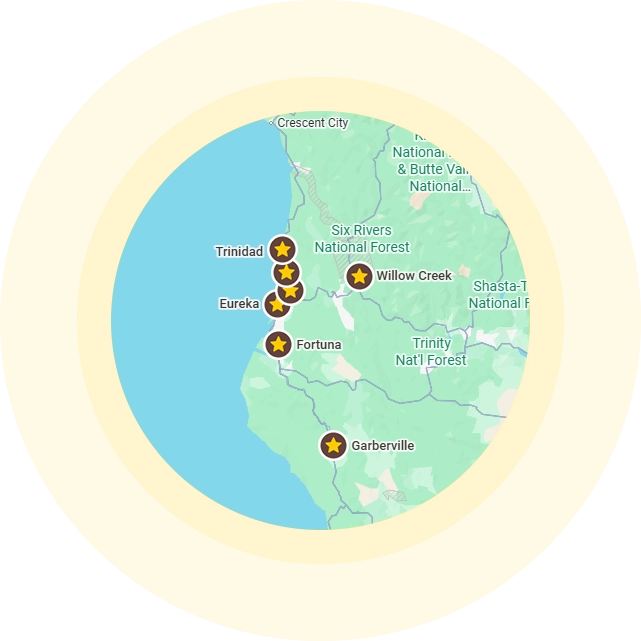

Many homeowners wonder whether summer offers a good time for tree trimming. Arborists providing tree services in Arcata, CA, recommend different timelines for different species. Some trees handle summer trimming well, while others need dormant season care to stay healthy. Learn when summer trimming helps, when it causes problems, and why timing matters.
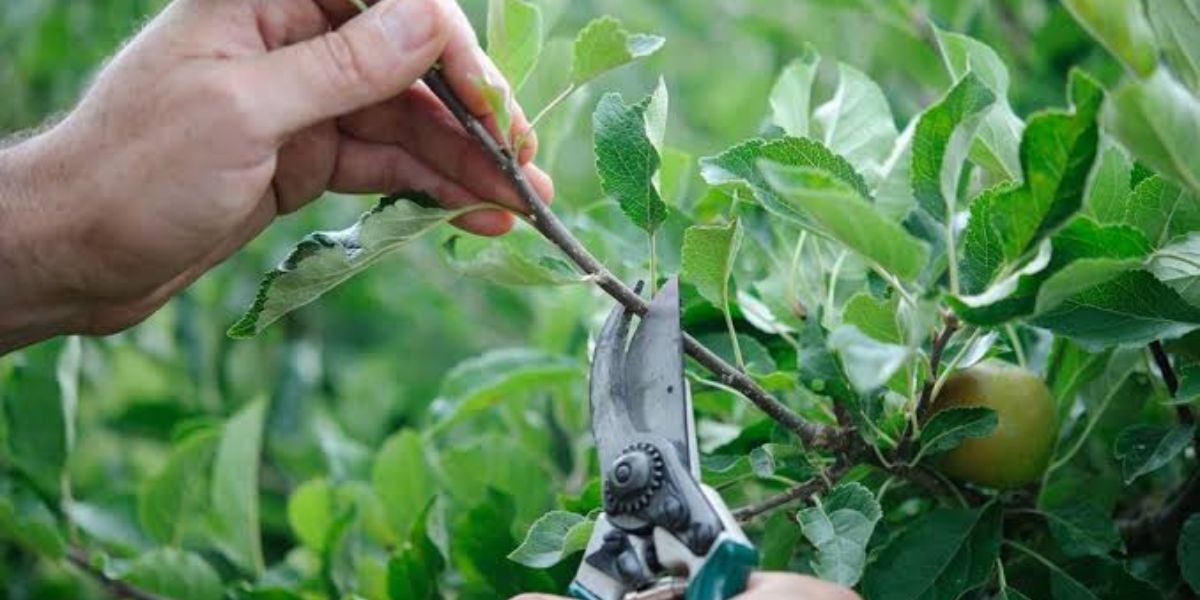
Trimming vs. Pruning
Tree trimming primarily improves appearance by keeping trees shaped and presentable throughout the year. Tree pruning focuses on health by removing diseased, dead, or broken branches before problems spread. Most trees benefit from both trimming and pruning at different times and for different purposes. Confusing the two often leads to poor timing decisions and unnecessary stress on the tree.
What To Know About Summer Tree Trimming
Summer tree trimming works for certain species but causes real harm to others. Healthy trees rarely need heavy cuts during this period. However, some situations justify trimming regardless of species or season. These include:
- Removing dead or diseased branches
- Clearing limbs growing too close to utility lines
- Addressing storm-damaged branches
- Correcting unbalanced canopies that create structural concerns
- Performing light cosmetic trimming on suitable species
Keep total removal below 20% of the canopy to avoid over-stressing the tree. So, is summer a good time to trim trees? The answer depends on the species, weather conditions, and the tree’s overall health.
Species and Conditions To Watch
Some trees recover poorly from unnecessary trimming, making proper timing especially important. Saucer magnolias, for example, heal slowly after cuts that damage buds or bark. Palm trees need restraint because removing healthy fronds weakens the trunk over time.
California box elders, camphor trees, olive trees, and ornamental figs generally tolerate careful summer trimming. Coastal climates can increase the risk of certain diseases entering fresh wounds, making timing just as important as technique, especially for slower-healing species.
Why Winter Works Best for Most Trees
Late winter dormancy usually produces the best results for most deciduous trees. Bare branches give arborists a clear view of the tree’s overall structure before new growth begins. Dormant trees recover with less stress, and fresh cuts face fewer disease threats before spring arrives.
Fall often ranks among the least favorable seasons for trimming because it can encourage new growth that winter cold may damage.
How Professionals Determine the Best Time of Year To Trim Trees
Every tree species responds differently to seasonal tree maintenance. Experienced providers of tree trimming services in Arcata, CA, evaluate the species, overall health, age, structure, and local growing conditions before recommending any work. Matching the timing to those factors reduces stress on the tree while lowering the risk of disease, weak growth, and structural damage over time.
Get Professional Tree Trimming From Forestscapes LLC
Summer tree trimming can protect your property or set your trees back for years, depending on the choices you make. Get the timing or the cuts wrong, and the effects of over-pruning on tree health linger long after the season ends. At Forestscapes LLC, we provide expert tree trimming and pruning throughout the Arcata area. Contact us today at (707) 382-8702 to schedule your free assessment.