
Most people think about planting trees in spring, when nurseries fill up and the weather turns warm. On the North Coast, that timing often works against you. A tree planted in May has to push out new leaves and survive a dry summer before its roots have settled into the soil. A tree planted in November gets a different start: cool air, steady rain, and months of quiet root growth before it has to do any heavy lifting.
That is why fall tree planting makes so much sense for McKinleyville homeowners. The coastal climate gives new trees a long, mild runway, as long as the right tree goes in the right spot and gets planted correctly.
This guide walks through why November works, how to choose a tree that fits your property, what proper planting looks like, and how to care for it through its first winter. No guesswork. No wasted trees. No surprises next summer.
Why Is Fall Tree Planting a Smart Move in McKinleyville?
The short answer is roots. When a tree goes into the ground in fall, the top of the tree is slowing down for the season, but the soil is still workable and the roots can keep growing. That gives the tree a head start on anchoring itself and building the root system it will need when warm weather returns.
Local experts agree on the timing. The Humboldt and Del Norte Master Gardeners advise in their fall planting guidance for coastal gardeners that woody plants should go in once autumn weather arrives, since fall planting allows root growth before spring. They also point out that rainfall becomes the main water source this time of year, with irrigation only needed if rain falls short.
For McKinleyville, that fits the pattern of our seasons well. Winters are mild, hard freezes are uncommon near the coast, and the rainy season does much of the watering for you. A tree planted now has from November until the dry months to settle in, which is a far gentler start than a spring planting that runs straight into summer.
Choosing the Right Tree for Fall Tree Planting
A tree is a decision that lasts decades, so the choice deserves more thought than whatever looks good at the nursery that week. The best tree for your yard is one that fits the space, the soil, and the way you use your land.
Match the Tree to the Site
Start with mature size, not the size in the pot. A small sapling that will grow 60 feet tall does not belong under a power line, beside a foundation, or crowded against a neighbor’s fence. Look up the mature height and spread before you buy, then measure the space you actually have.
Next, look at conditions. Coastal properties around McKinleyville can see salt air, steady wind, and heavy clay or poorly drained soil in low spots. Some species handle wet winter ground well, while others struggle when their roots sit in standing water. Sun exposure matters too, since a tree that wants full sun will stay thin and weak in deep shade.
Plan for Clearance and Fire Safety
Placement is also a safety question. Trees planted too close to the house can drop debris on the roof and gutters, and their branches can eventually reach siding, eaves, and windows. Leaving generous space between new trees and structures makes future maintenance simpler and keeps your home easier to protect if fire ever moves through the area.
If your property sits near open land or wooded slopes, think about how a new tree fits into the space around your home as it matures. Choosing the spot carefully now is far easier than removing a tree later because it grew into the wrong place.
How Should a New Tree Be Planted?
Good planting is simple, but small mistakes here are the most common reason young trees struggle. The goal is to give roots easy access to loose soil, air, and water while keeping the trunk stable and dry at the base.
Dig a hole that is wide rather than deep. A hole two to three times wider than the root ball gives roots loosened soil to grow into, while the depth should match the root ball so the tree does not sink after planting. The root flare, where the trunk widens at its base, should sit at or slightly above the surrounding grade. Burying it invites rot and slow decline.
Before setting the tree in place, check the roots. Container trees often have roots circling the inside of the pot, and those should be gently loosened or cut so they grow outward instead of continuing to wrap around themselves. Backfill with the native soil you removed, firm it lightly to remove large air pockets, and water it in well.
Timing your dig matters in a wet winter, too. Planting into soil that is saturated and sticky can compact it around the roots, which cuts off the air they need. If a big storm has just passed, give the ground a few dry days before you plant. Finally, spread a ring of mulch a few inches deep around the tree, keeping it pulled back from the trunk itself.
Caring for Your Tree After Fall Tree Planting
Once your tree is in the ground, the next few months are mostly about watching and adjusting. The rain will usually handle watering through the wettest stretch of the season. Still, dry spells do happen, and a new tree with a small root system can dry out faster than you might expect.
Check the soil near the root ball every week or two, especially after a stretch of sunny, breezy days. If it feels dry a few inches down, water slowly and deeply so the moisture reaches the full root ball rather than running off the surface.
Staking is only needed when the tree cannot stand on its own in the wind. If you do stake, use soft, flexible ties set low on the trunk, and remove them after the first growing season so the trunk can build its own strength. Hold off on fertilizer until the tree shows active growth in spring, and skip heavy pruning for now. Remove only broken or damaged branches during the first year.
Keep the mulch ring in place and free of weeds and turf, which compete with young roots for water. A little attention now protects the time and money you put into the tree.
When Does It Make Sense to Bring in a Professional?
Many homeowners plant a tree or two on their own, and that works well for small stock in open ground. Larger projects are a different situation. Planting several trees, working on a slope, replacing a tree that was just removed, or placing trees near structures and utilities all benefit from a professional plan before the first hole is dug. The same goes for properties where a stump, old roots, or compacted fill could keep a new tree from establishing.
A good tree planting crew looks at soil, drainage, sun, spacing, and how the tree will fit your property ten or twenty years from now. Forestscapes offers professional tree planting services backed by an ISA Certified Arborist and a California Licensed Contractor, so the advice you get comes from people trained to think about long-term tree health and safety, not just the day of planting.
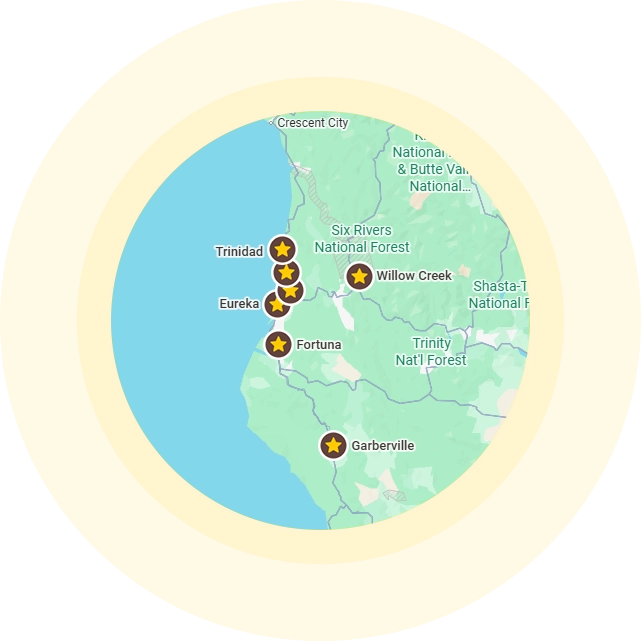
Our crew also works throughout the area, including tree service in McKinleyville, so we know the local soils, coastal wind, and wet winters. You get a clear walkthrough and straightforward recommendations based on your priorities, and the site is left tidy when the work is done.
Plant This Fall With Confidence
November gives McKinleyville trees a gentle start: cool weather, reliable rain, and months for roots to settle in before summer. Choose a tree that fits your space and soil. Plant it at the right depth in a wide hole, away from saturated ground. Then watch water, mulch, and staking through its first winter.
If you want help choosing the right trees or planting them where they will thrive for decades, Forestscapes is ready to walk your property with you. Locally owned, licensed, and certified, we will give you a plan you can trust. Contact Forestscapes to schedule your fall tree planting and give your new trees the strong start they deserve.